
Key takeaways
- Older steel windows and doors are prone to rust, condensation, and warping over time, largely because solid steel has no thermal break and conducts cold straight through the frame.
- Origin Soho recreates the same narrow-sightline, industrial look using thermally broken aluminium, which doesn’t carry those same risks.
- Soho’s sightlines run to 36mm, comparable to the slender look genuine steel is known for, without sacrificing it for performance.
- Soho exceeds standard PAS-24 security requirements, well beyond what original steel doors were built to.
- Glazing bar configurations can be customised for a heritage look or a sleeker industrial one, so period-appropriate styling isn’t lost in the switch.
Summary
The steel-look aesthetic, narrow frames, bold glazing bars, an industrial edge, is genuinely popular, and for good reason. The problem is that actual steel windows and doors from decades past come with real downsides: rust, cold transfer, condensation, and frames that stick or warp with age. Origin Soho is built to recreate that exact look in aluminium instead. Here’s an honest comparison of what changes and what stays the same.
Introduction
If you’ve got an older property with original steel-framed windows, or you’re renovating and love that industrial look, you’ve probably weighed up whether to keep or replicate it. Genuine steel has a lot going for it visually, but it also has well-documented practical problems that only get worse with age. Origin’s Soho Collection was designed to give you the same aesthetic without carrying those problems forward. This isn’t a case against old steel, plenty of it is still structurally sound and some of it is worth restoring, it’s a straight look at what’s actually different if you choose a modern steel-look alternative instead.
What do genuinely old steel-look windows and doors actually struggle with?
Solid steel conducts heat and cold very efficiently, which is useful structurally but a real problem thermally. Without a thermal break built into the frame, older steel doors and windows let cold transfer straight through, which is exactly what causes the condensation many owners of original steel windows deal with every winter. Add in decades of exposure and most older steel also shows some surface rust, and frames can warp slightly over time, making them stiffer to open and close than when new.
How does Origin Soho recreate that look without being made of solid steel?
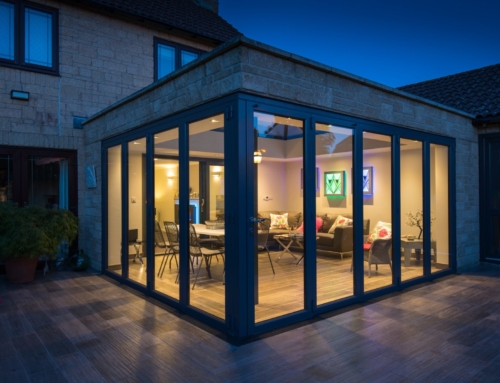
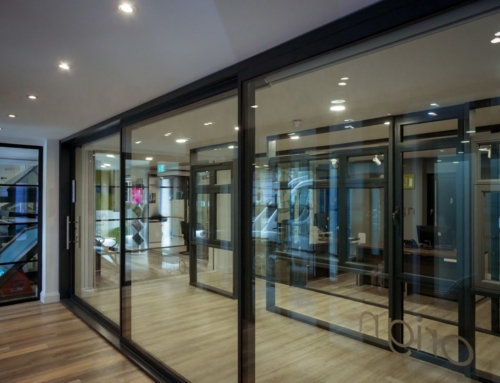
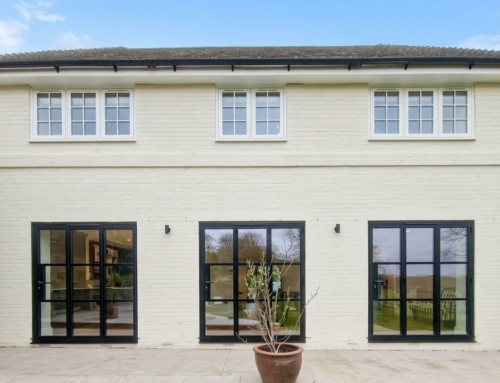
Soho is aluminium, engineered specifically to mimic steel’s narrow glazing bars and slim profile rather than to be a cheaper substitute. The custom glazing bar configurations are designed to echo genuine steel-framed windows, including the option for true divides, so the visual signature of steel carries across even though the material underneath doesn’t.
Does switching to aluminium mean losing the narrow sightline steel is known for?
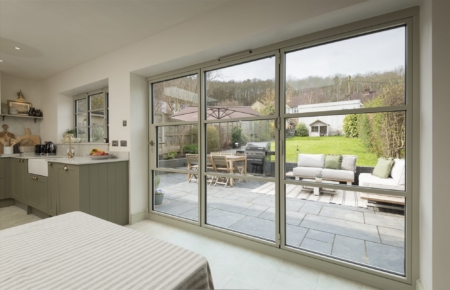
No, this is really the point of the Soho range specifically. It’s built to 36mm sightlines, which sits in the same narrow territory that makes steel-framed windows visually distinctive in the first place. You’re not trading the look for the material, that was the specific design brief behind Soho existing as its own collection rather than YPE’s standard aluminium range.
How does thermal performance and condensation risk actually compare?
This is where the two differ most. Aluminium systems like Soho are built with a thermal break as standard, the insulating barrier that solid steel frames from decades ago simply didn’t have. That’s the direct fix for the cold-transfer and condensation problems older steel is known for, rather than a workaround or an add-on.
How does security compare to an old steel door?
Soho exceeds the standard PAS-24 security requirement, the current benchmark for door security in the UK. Older steel doors were built to whatever standard existed at the time, which in most cases is considerably behind what’s expected of a front or back door today, regardless of how solid the steel itself feels.
Is day-to-day maintenance actually different?
Genuinely, yes. Steel needs periodic repainting to stay ahead of rust, and once surface rust sets in it tends to need proper treatment rather than a quick touch-up. Aluminium doesn’t carry that same maintenance cycle, it isn’t prone to rust in the same way steel is, which is one of the more practical day-to-day differences rather than just a specification detail.
Can Soho still suit a genuinely period or industrial-style property?
Yes, that’s specifically what the range is designed around. The glazing bar options can be configured for a heritage feel, more bars, finer detailing, or pared back for a cleaner industrial look, so the finished result can lean traditional or contemporary depending on the property, rather than forcing one aesthetic.
| Traditional steel-look (original) | Origin Soho | |
|---|---|---|
| Material | Solid steel | Thermally broken aluminium |
| Sightline | Narrow, but at a thermal cost | 36mm, narrow without the thermal trade-off |
| Condensation risk | Common, due to no thermal break | Addressed by thermal break as standard |
| Maintenance | Periodic repainting to manage rust | Not prone to rust in the same way |
| Security standard | Built to the standard of its era | Exceeds current PAS-24 requirement |
Conclusion
If the steel look is what’s drawing you in, you don’t have to take on the problems that come with genuinely old steel to get it. Origin Soho was built specifically to recreate that narrow-sightline, industrial aesthetic using aluminium that doesn’t carry the same thermal and maintenance issues. The difference is easiest to judge in person, you’re welcome to see the sightline and glazing bar options for yourself at our Sutton showroom, or browse the full Soho Collection and steel-look door range for the configurations available.
FAQs
Will Soho actually pass for real steel visually?
It’s designed specifically to replicate the narrow sightlines and glazing bar look of genuine steel, most people choosing it are after that exact aesthetic rather than a compromise version of it.
Is Soho suitable for a listed or conservation area property?
That depends on your local planning requirements, which vary by property and area, it’s worth checking with your local planning authority before committing to a material change on a listed building specifically.
Does the steel look come at a higher price than standard aluminium doors?
Styling and sightline options do affect price, as covered in our guide to aluminium bifold door pricing, it’s worth comparing like for like rather than assuming steel-look costs more by default.
Can I mix Soho doors with standard aluminium windows elsewhere in the house?
Yes, there’s no requirement to use Soho throughout, many homeowners use it for a specific feature, like a bifold or front door, while keeping other openings in the standard range.
Written by Andy Boyce, Founder and Managing Director, YPE Bifold Doors
Andy has spent more than 40 years in the glazing industry, starting out as a fitter and later running his own manufacturing facility, before founding YPE Bifold Doors over 20 years ago. He remains directly involved in the day to day running of the business, including customer surveys, and personally refurbished YPE’s Sutton showroom. In 2022 he led YPE’s expansion into premium front doors through a partnership with Spitfire Doors, and was nominated for the GGP Outstanding Achievement Award in 2024.